 While the USA may now be experiencing one of its most tumultuous periods in history, it still remains a beacon for life, liberty and the pursuit of happiness.
Now on the cusp of its 250th Anniversary, our country’s once-in-a-lifetime Semi-quincentennial marks a pivotal moment for us to take a step back and embrace our local heritage.
With the “AMERICA 250 Florida Road Trip,” you can explore some of the Sunshine State’s most prominent sites. Here are some of Florida’s most not-to-be-missed landmarks from South Miami-Dade to the Florida Keys & Key West.
MIAMI SOUTH-MIAMI DADE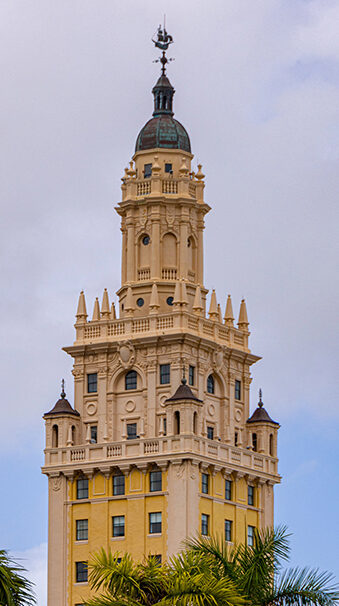
The Freedom Tower
Once a processing center for Cuban refugees in the 1960s, the Mediterranean Revival-style Freedom Tower now serves as a monument to liberty and the resilience of all Cuban Americans, standing tall over Biscayne Bay as a beacon of freedom and hope.
 Miami Circle
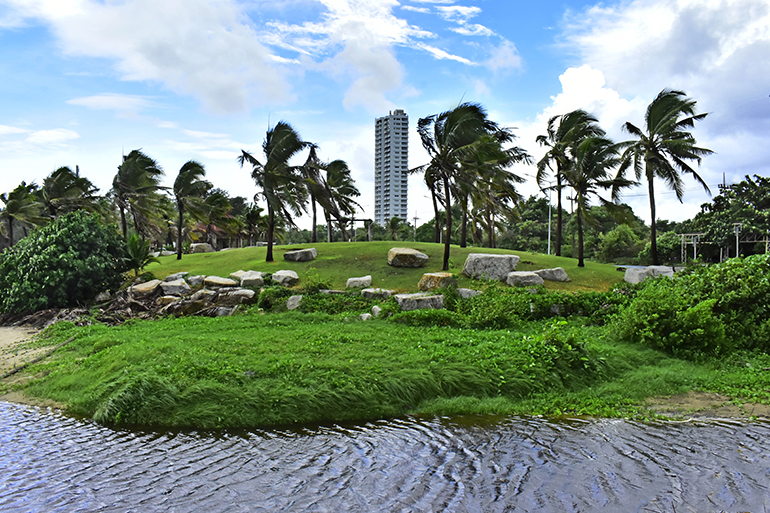
Nestled at Brickell Point, where the Miami River meets Biscayne Bay, the Miami Circle is a ring of 24 precise basins carved directly into bedrock by the Tequesta people nearly 2,000 years ago. Its discovery in 1998 revealed an unparalleled prehistoric ceremonial or communal structure, likely a council house, making it the only documented bedrock-cut structure of its kind in eastern North America. Designated a National Historic Landmark in 2009, this site offers a rare window into complex pre-Columbian Native American life in urban Miami.
America’s Everglades
Covering 1.5 million acres across Collier and neighboring counties, the Everglades National Park was established in 1934 and is the largest subtropical wilderness in the US. As the first park created to protect a fragile ecosystem, it supports endangered species like the Florida panther and American crocodile, and recharges South Florida’s freshwater supply. There is no place in the world like The Everglades: River of Grass.
THE FLORIDA KEYS & KEY WEST
 Florida Keys Overseas Heritage Trail
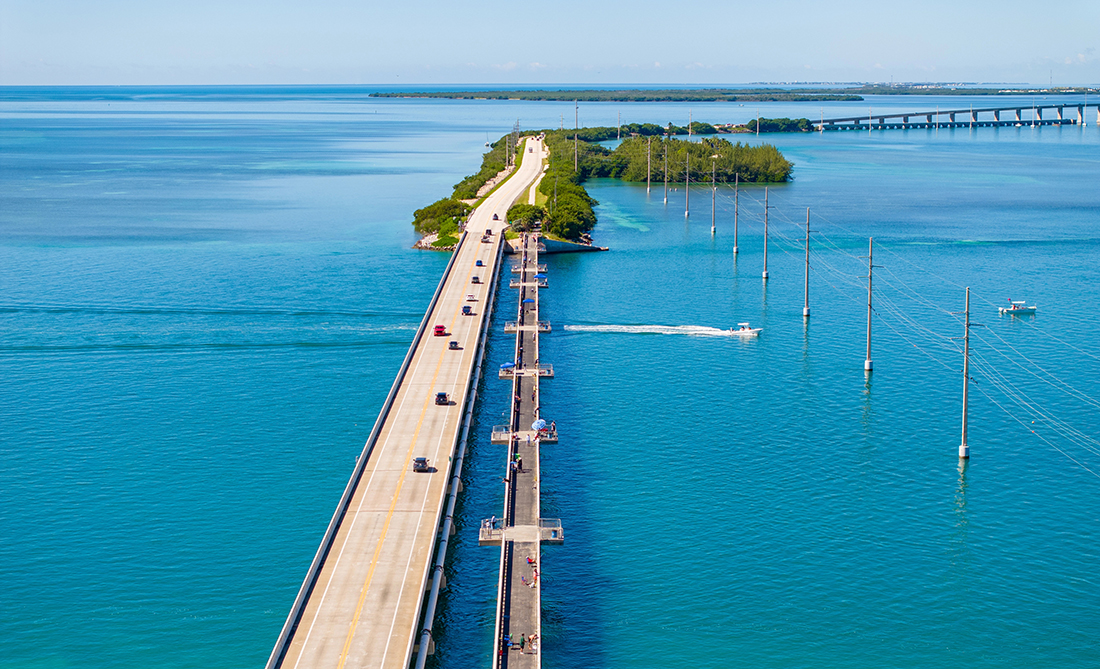
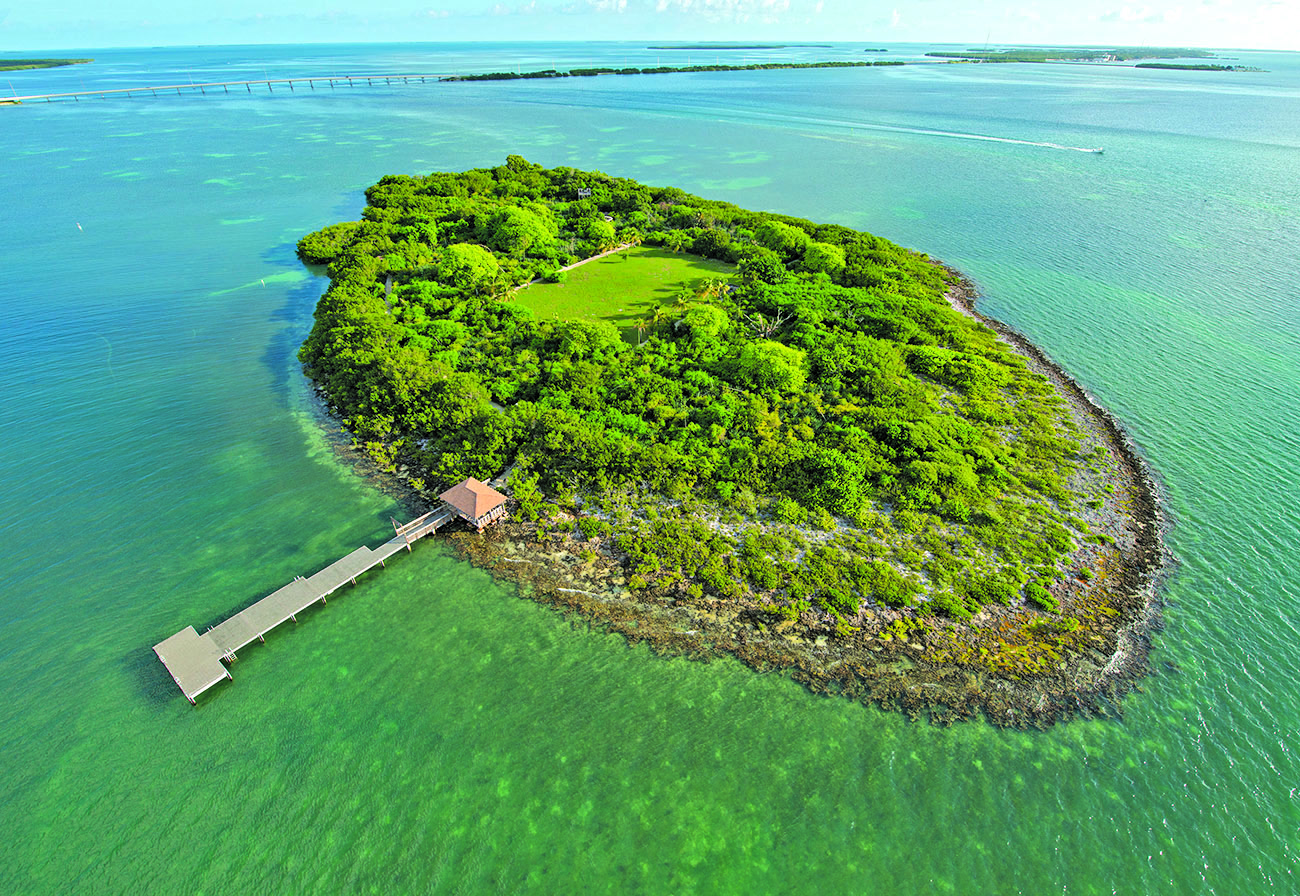
Spanning 110 Miles over 43 alluring islands, the Florida Keys Scenic Highway is Florida’s only “All-American Road” — a prestigious designation shared with only 29 other American roadways. Flanked by the Gulf of Mexico on one side, and the majestic Atlantic Ocean on the other, this historic road follows a trail originally blazed in 1912 during Henry Flagler’s Florida East Coast Railroad extension from Miami to Key West. With its endless vistas, unique flora, and fauna, and world-renowned recreational areas, the highway is a destination unto itself.
It’s also home to several historic sites, including Key Largo’s John Pennekamp Coral Reef State Park, America’s first underwater park; Lignumvitae Key Botanical State Park — a 280-acre island with one of the few remaining virgin tropical hardwood hammocks; Marathon’s Historic Seven Mile Bridge is flanked by Pigeon Key, a 5-acre island that once housed 400+ Overseas Railway workers, and the Bahia Honda State Park in the Lower Keys, which is best known for its beautiful beaches, magnificent sunsets, and great snorkeling.
 Southernmost Point Buoy
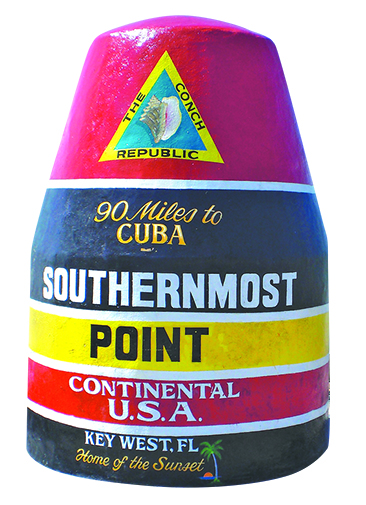
Located just 90 miles from Cuba, Key West is the southernmost point in the continental US and is marked by the Southernmost Point Buoy. Installed in 1993, and one of the most photographed spots in the US, the painted concrete monument symbolizes Key West’s quirky spirit and geographic distinction. Nearby attractions include the Ernest Hemingway Home, the Truman Little White House, and the Tennessee Williams Museum. Blending small town charm with fascinating history, passionate politics, and Pulitzer Prize-worthy literature, Key West is as far south and as colorful as Florida gets.
Fort Zachary Taylor
Perched at Key West’s southern tip, Fort Zachary Taylor (constructed 1845–66) predates the Civil War and is a National Historic Monument housing the largest cache of Civil War armament in the world. Walk the Fort’s red-brick corridors past cannon and gun ports where you’ll see how soldiers lived as they defended the nation’s southeastern coastline. Here, history becomes more real than books or photos can possibly depict. The park also boasts one of the island’s nicest beaches and is a popular destination for swimming, picnicking, snorkeling, paddling, and fishing.
For more “not-to-be-missed” points of interest throughout Florida, hit up america250fl.com.